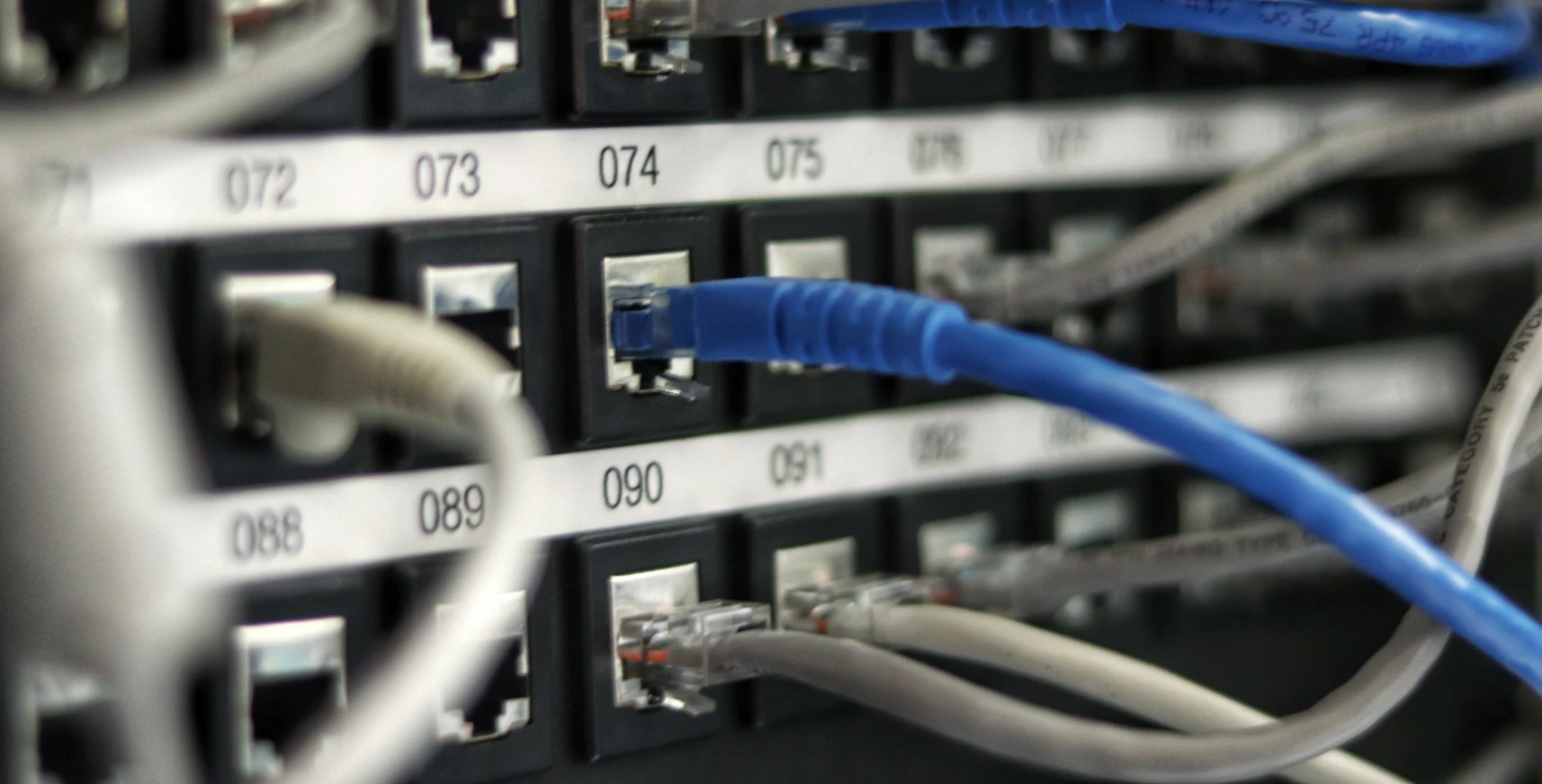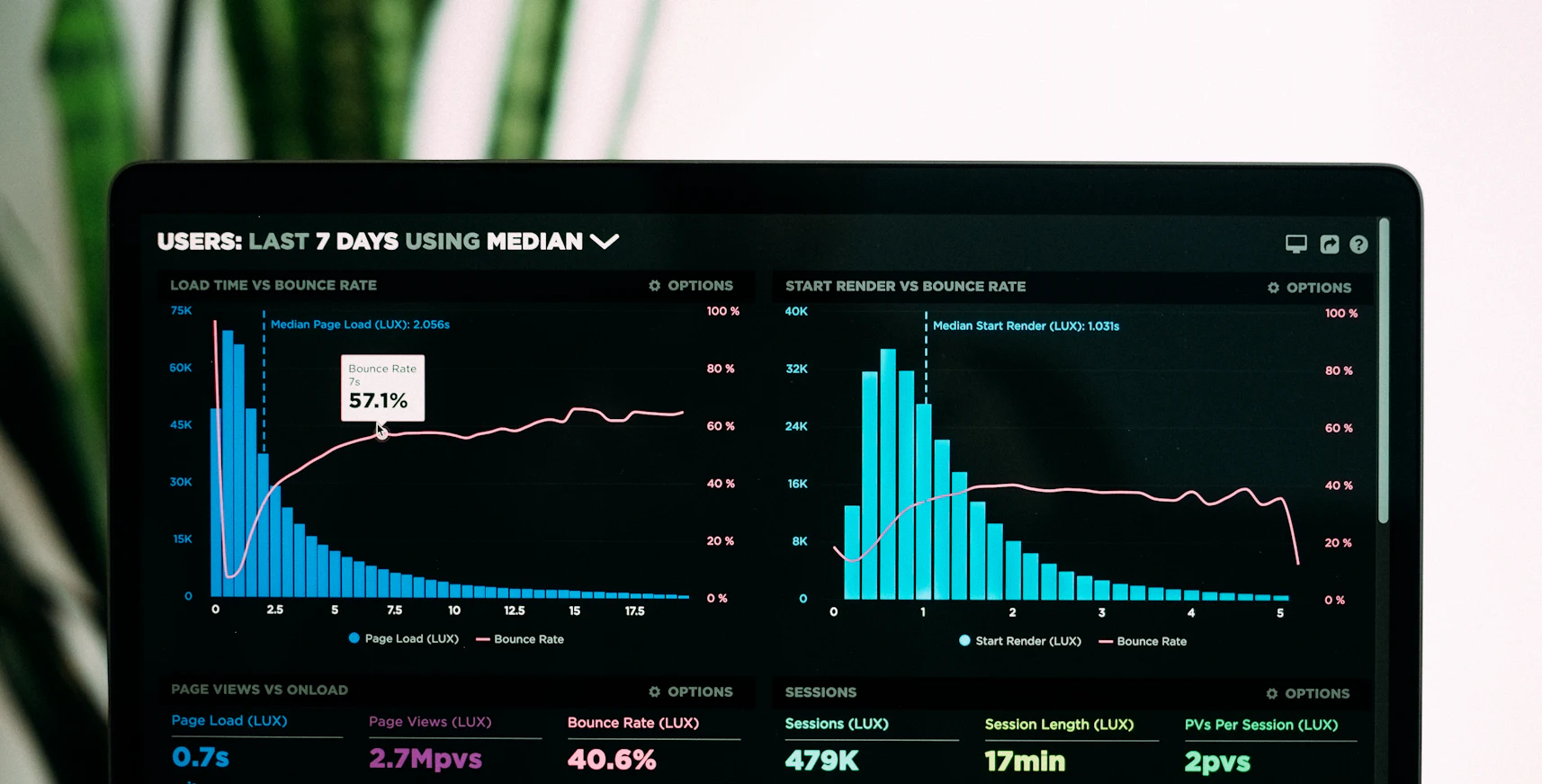
System integration connects technology components that used to stand alone — hardware, software, networks, and applications — so they work as one efficient, easy-to-manage whole.

Aira's approach starts by mapping business processes and existing systems, then designs an integration architecture that adapts to technology change without disrupting operations.

The result is consistent data flow, better operational visibility, and a technology foundation ready to grow with the organization.

Related Products

Aira products for System Integration

Solutions we have already built and that can be tailored to your business needs.

Sample

CakraOne

One system for finance, operations, and HR

A modular ERP platform that brings finance, approvals, assets, and HR together on a single set of data, with support for multiple companies and branch...

  • Finance & accounting: receivables, payables, cash, and bank
  • Configurable multi-level approval workflows
  • Multi-company and multi-branch
Sample

Omnichannel

Every sales channel under one control

Connect marketplace and social commerce stores to one system: catalog, orders, fulfillment, through to returns and finance.

  • Marketplace and social commerce store connections
  • Order and catalog sync across channels
  • Publish products from a single catalog
Why Aira

Why system integration with Aira

Aira's values — innovative, intellectual, and collaborative — are the foundation of every stage of work, from requirements analysis to support after the system is running.

Innovative

Leading in the use of the latest technology to answer constantly changing business needs.

Intellectual

Solutions based on data, research, and strategy — every recommendation starts from structured understanding.

Collaborative

A partner that actively listens and works together with clients at every stage.

Engagement Models

Choose the engagement model that fits

Draft — confirm Aira's official engagement models

Fixed-Price Project

  • Clear scope and schedule
  • Defined specifications
  • Low budget risk
  • Quick start
  • Suitable for measurable needs

Time & Material

  • Flexible to change
  • Transparent work
  • Ongoing collaboration
  • Pay for work done
  • Suitable for dynamic scope

Dedicated Team

  • Higher priority control
  • Deep domain understanding
  • Long-term commitment
  • Team scalability
  • Suitable for large programs
Related Services

Explore related services

FAQ

Frequently asked questions

A System Integrator is a partner that brings together technology components — hardware, software, networks, and applications — so they work as one efficient system. The focus is not on a single product but on how all components connect.

Projects usually start with requirements gathering and mapping of existing systems, followed by architecture design, phased implementation, integration testing, handover with documentation, and post-implementation support.

Not necessarily. The integration approach tries to reuse systems that are still viable and connect them with new components, so earlier investments keep their value and operational disruption is minimized.

Security is considered from the design stage: access restriction, network segmentation, encryption on relevant data paths, and activity logging. The client's internal security policy is the primary reference.