
Aligning hardware, software, networks, and applications into one efficient system.

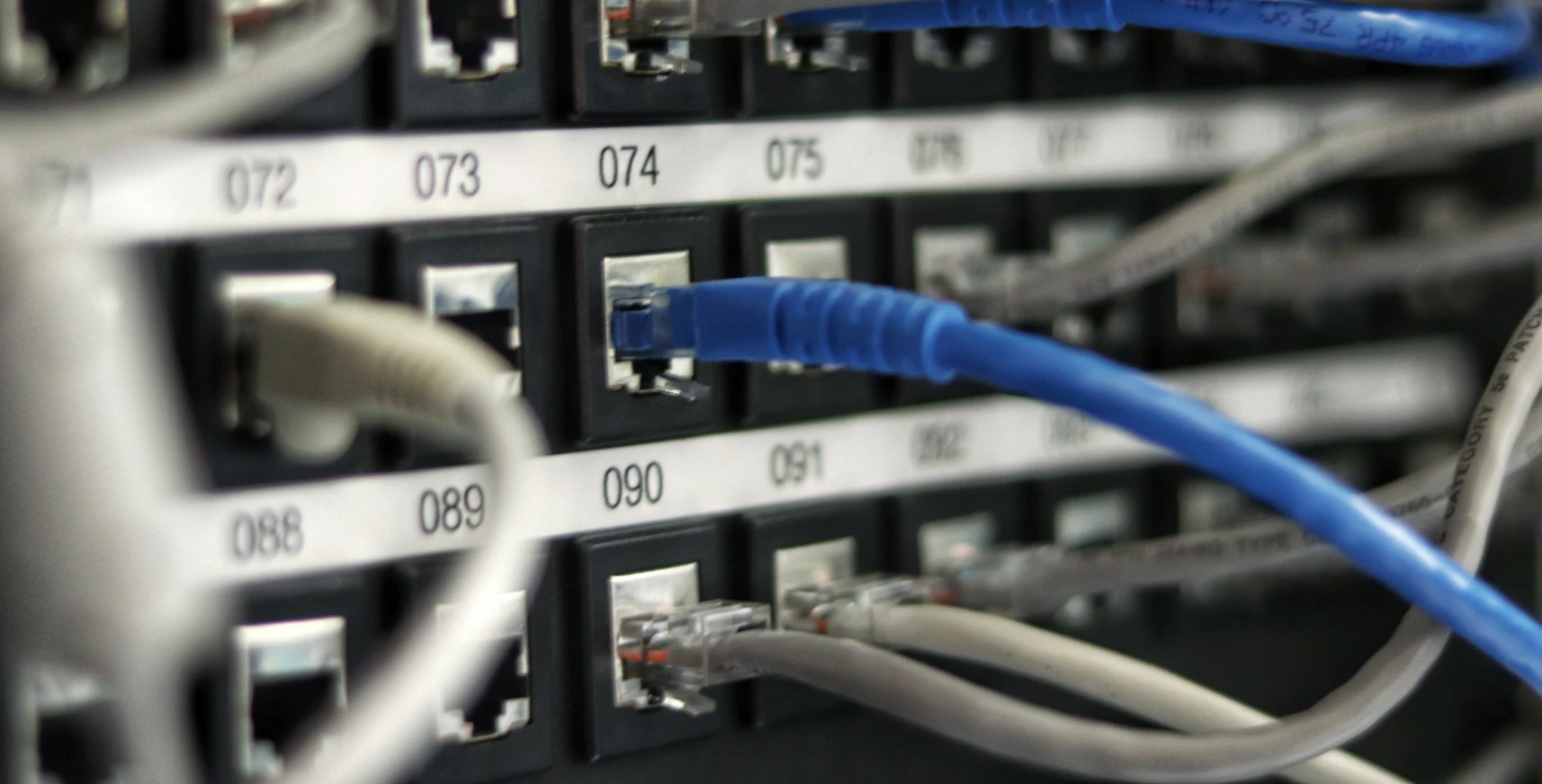
The network is the backbone of every digital system. Network infrastructure services cover topology design, installation, and device configuration so connectivity stays stable and secure.
Every design considers current capacity and growth plans, so adding users or new locations does not require rebuilding the infrastructure.
Tidy documentation and measurable monitoring help internal teams maintain the network independently.
Aira's values — innovative, intellectual, and collaborative — are the foundation of every stage of work, from requirements analysis to support after the system is running.
Leading in the use of the latest technology to answer constantly changing business needs.
Solutions based on data, research, and strategy — every recommendation starts from structured understanding.
A partner that actively listens and works together with clients at every stage.
Draft — confirm Aira's official engagement models
Aligning hardware, software, networks, and applications into one efficient system.
Web and mobile applications designed around your workflow and connected to existing systems.

Turning data into structured insight that supports business decisions.
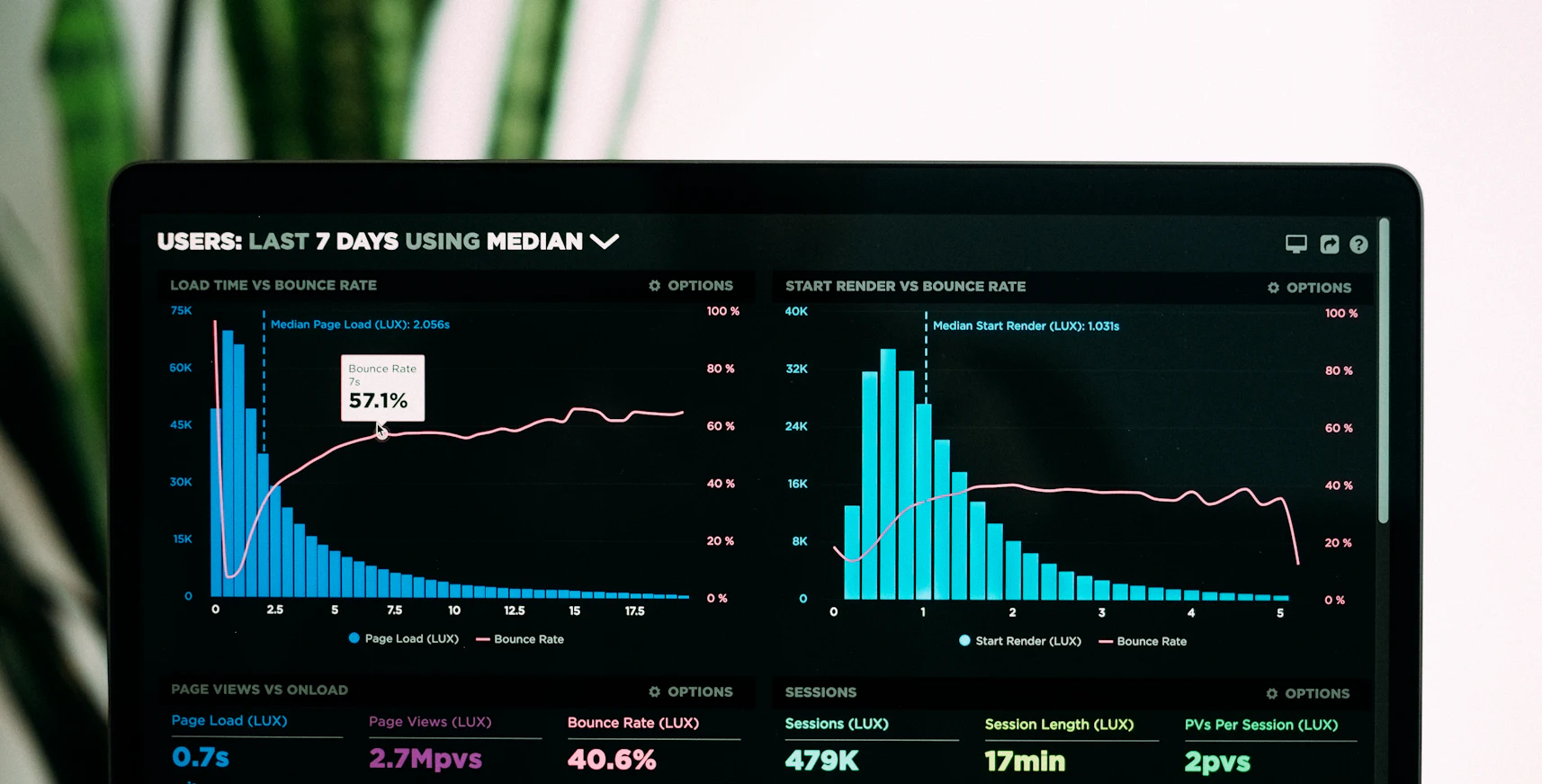
A System Integrator is a partner that brings together technology components — hardware, software, networks, and applications — so they work as one efficient system. The focus is not on a single product but on how all components connect.
Projects usually start with requirements gathering and mapping of existing systems, followed by architecture design, phased implementation, integration testing, handover with documentation, and post-implementation support.
Not necessarily. The integration approach tries to reuse systems that are still viable and connect them with new components, so earlier investments keep their value and operational disruption is minimized.
Security is considered from the design stage: access restriction, network segmentation, encryption on relevant data paths, and activity logging. The client's internal security policy is the primary reference.
The official Aira profile video has not been added yet. Admins can add it under About Us in the CMS.